Channel Onboarding and Activation Services for Industrial Electronics Manufacturers in Canada
What Do Channel Onboarding and Activation Services Include?
DealerGTM provides channel onboarding and activation services for industrial electronics manufacturers in Canada, creating a structured path from signed agreement to partner-led pipeline. For manufacturers needing technical reseller capability, local coverage, and customer access, our electrical and electronics industry focus connects launch activity to commercial requirements.
Channel onboarding moves an appointed dealer or distributor to operational readiness through roles, training, tools, account alignment, and launch expectations. Channel activation turns that ready partner into customer activity, qualified opportunities, and accountable pipeline. DealerGTM’s service is designed to move signed partners toward pipeline-generating activity within 60 to 120 days.
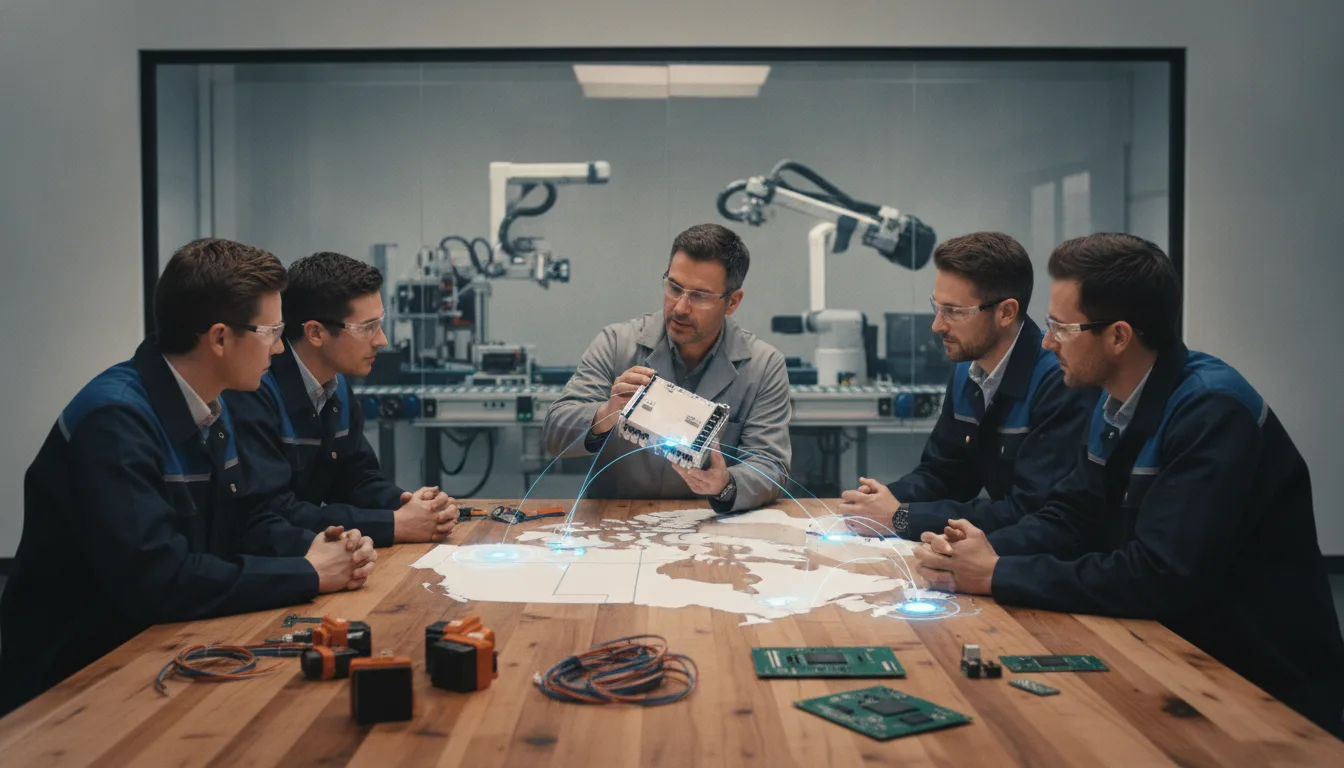
- Signed partner: scope, contacts, and responsibilities confirmed.
- Trained partner: product, sales process, and territory ready.
- First qualified opportunity: customer activity enters the pipeline.
What Is Channel Activation?
Channel activation is the work that turns a signed dealer or distributor into an active route to market. Appointment alone does not create product knowledge, sales priority, technical confidence, or a repeatable path to pipeline for industrial electronics channel partners.
Dealer activation coordinates:
- Commercial objectives and product positioning
- Technical training, target accounts, launch communications, and follow-up rhythm
- Clear ownership, expected activity, and early evidence of progress
For example, a Canadian distributor may have signed an agreement but still need product training, account prioritization, and a first joint sales plan before pursuing opportunities. A structured dealer appointment process sets the foundation; channel onboarding and activation establishes the practical next steps toward pipeline.
How Long Does Dealer Onboarding Take?
DealerGTM structures channel onboarding and activation plans to move signed industrial electronics channel partners toward pipeline-generating activity within 60 to 120 days. This is a structured path, not a promise that every dealer will produce revenue in that period.
The pace depends on product complexity, technical capability, sales-cycle length, demo equipment access, and the stakeholders needing training.
- Days 1 to 30: alignment, named contacts, readiness and launch milestones.
- Days 31 to 60: product training, account targets and opportunity planning.
- Days 61 to 120: joint customer activity and pipeline review.
Early milestones should include completed training, target accounts, joint activity and reviewed opportunities before progressing to distributor performance management.
What Should a Canadian Distributor Onboarding Program Include?
A Canadian distributor onboarding program should adapt channel onboarding to the territory, product complexity, and partner model. Clear boundaries, supported by a territory mapping approach, help a Canadian distributor network avoid account conflict.
Practical onboarding checklist:
- Agreement handoff: roles, territory, accounts, and escalation routes.
- Commercial alignment: objectives and portfolio fit.
- Technical enablement: product value, qualification, installation, and service training.
- Launch assets: target segments, campaigns, and lead handling.
- Account planning: priority accounts, provincial differences, and French-language needs where relevant.
- Performance reporting: review cadence, cross-border supply arrangements, and local customer-service coverage.
How Does the Onboarding Workflow Move Partners From Agreement to Pipeline?
For channel onboarding and activation services for industrial electronics manufacturers in Canada, onboarding should start with an evidence-based structured dealer appointment process and continue until field activity is visible. DealerGTM treats activation as a staged transition, not a one-time orientation.
- Align the launch plan: confirm territory, target accounts, product priorities, responsibilities, and measures.
- Enable selling: equip dealer or distributor teams with technical, commercial, and process guidance.
- Build early pipeline: assign account actions, joint customer engagement, and opportunity-reporting routines.
- Review and improve: manufacturer and partner jointly review ownership, blockers, and activity evidence, creating a handoff to distributor performance management.
1. Confirm the Commercial Foundation
Dealer onboarding starts with a shared commercial brief, not product training. Confirm the partner’s role, product scope, territory, account ownership rules, revenue focus, support model, and named contacts before launch. This gives both teams a usable basis for dealer activation.
That clarity should rest on an evidence-based appointment decision. Validate portfolio conflicts, customer coverage claims, service resources, and financial stability through a partner due diligence framework. Still selecting industrial electronics channel partners? Start with channel partner search services.
2. Enable Sales and Technical Capability
Industrial electronics channel onboarding must equip partners to position products by application, qualify technical fit, address competitive context, prepare pricing and quotations, run demonstrations, and escalate service issues correctly. Training should be role-specific and validated through practical checks, not attendance alone.
Recommended training matrix:
- Sales: articulate value, qualify opportunities, and produce compliant quotes.
- Technical: validate applications, configure demos, and document requirements.
- Service: diagnose first-line issues and follow escalation paths.
- Leadership: review readiness, capacity, and launch accountability.
3. Launch Joint Market Activity and Review Early Signals
Channel activation turns enablement into coordinated commercial action. For dealer activation, agree the first moves and assign ownership:
- Prioritize target accounts and relevant application opportunities.
- Arrange joint customer visits and introduce demand-generation activity.
- Set opportunity reviews for pipeline, quotations, and next steps.
Early reviews expose blockers quickly, including unclear positioning, limited technical confidence, insufficient stock, slow quotation support, or overlapping account ownership. These findings create a practical handoff into distributor performance management.
How Should Manufacturers Measure Partner Activation?
Measure channel onboarding and activation services for industrial electronics manufacturers in Canada with separate readiness and commercial indicators. Completion alone is not activation.
- Readiness: role-based training completed, named contacts, material access, territory or account plan agreed, and launch plan signed off.
- Activity: target accounts contacted and joint customer meetings or campaigns completed.
- Pipeline: qualified opportunities, quotation activity, opportunity value, and stage progression.
- Review: forecast quality, blockers, next actions, and owner accountability.
The right thresholds depend on product complexity, sales cycle, and partner model, not a universal dealer activation target. After launch, distributor performance management applies this scorecard to ongoing channel accountability.
What Should You Look for in a Channel Onboarding Partner?
Choose a provider that treats channel onboarding as part of the full commercial lifecycle, not a training event after contract signing. For industrial electronics channel partners, the work should connect identification, appointment, due diligence, territory definition, activation, and ongoing accountability.
Ask how the provider uses a partner due diligence framework to test portfolio conflicts, coverage claims, service resources, and readiness before launch. DealerGTM supports this lifecycle, from partner identification and appointment through channel activation and distributor performance management.
- Who owns each onboarding action and partner commitment?
- What activation milestones indicate pipeline-generating activity?
- How will sales and technical enablement be verified?
- What reporting shows early activity, opportunities, and barriers?
- How will post-launch performance management address gaps?
Frequently Asked Questions
Can an existing dealer or distributor be reactivated?
Yes. Existing dealers or distributors can often be reactivated by first diagnosing whether unclear priorities, capability gaps, weak accountability, territory coverage issues, or inconsistent follow-up are limiting performance, rather than assuming training alone will solve the problem. A focused activation plan can then reset expectations, address the specific barrier, and restore pipeline-generating activity.
Who should own distributor onboarding?
The manufacturer should assign one accountable internal owner, usually channel leadership, to lead distributor onboarding and coordinate sales, technical support, marketing, operations, and the distributor’s leadership team. Document responsibilities, launch milestones, and review points so both parties know who owns training, account coverage, pipeline development, support readiness, and early performance follow-up.
What happens if a channel partner is not activating?
If a channel partner is not activating, review readiness, account focus, technical confidence, product fit, support responsiveness, territory clarity, and opportunity follow-up before deciding on corrective action. Use evidence from agreed activity and pipeline measures to identify the constraint, then set specific actions, ownership, and review points through distributor performance management.
Is distributor onboarding different for technical industrial electronics products?
Yes. For technical industrial electronics products, distributor onboarding often needs deeper application knowledge, role-based training, qualification guidance, service coordination, and confidence explaining value to engineering and operations stakeholders. The exact requirements vary by product complexity, buyer journey, installation needs, and the distributor’s existing technical capability.
Conclusion
For industrial electronics manufacturers in Canada, effective channel onboarding and activation turns a signed dealer or distributor into an accountable source of market activity, with clear expectations, enablement, and momentum toward pipeline generation. DealerGTM provides structured activation planning to help channel partners move from appointment to productive commercial engagement within 60 to 120 days.