Dealer Appointment for Rubber Manufacturing Industry
Build a Dealer Network That Can Sell and Support Rubber Products
DealerGTM helps B2B manufacturers identify, appoint, and activate dealer, distributor, and channel partner networks built for industrial selling. Dealer appointment for rubber manufacturing industry businesses is a commercial decision involving market access, technical sales capability, service coverage, and long-term accountability.
Our rubber manufacturing channel development work supports companies that need to:
- enter a new region with credible local coverage;
- fill gaps in customer, application, or service reach;
- replace an exiting or underperforming partner; or
- expand an established distribution footprint without creating overlap.
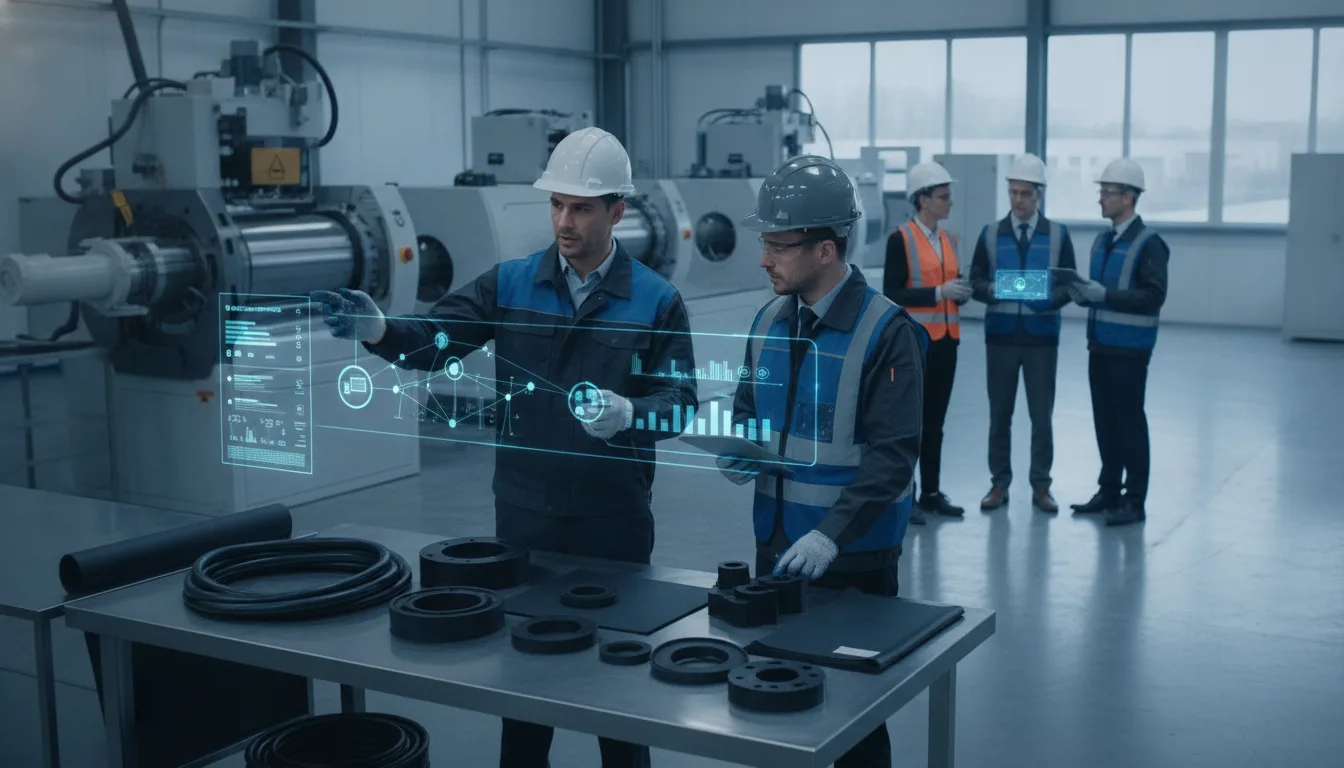
A representative manufacturer may need component dealers able to specify seals and hoses, machinery partners with installation and maintenance capability, and raw-material distributors with appropriate customer access and handling resources. These are not interchangeable roles. DealerGTM defines the required capabilities before recruitment, helping manufacturers select partners on evidence rather than availability.
Define the Right Dealer Profile Before Contacting Candidates
Successful rubber industry dealer recruitment starts with a documented ideal partner profile, not a list of available resellers. Define target applications, buyer types, priority accounts, geographic coverage, product complexity, and the required route to market. This clarifies whether an industrial rubber distributor appointment needs a dealer, distributor, agent, or specialist representative.
Assess technical selling ability, industrial customer access, stockholding, service resources, field coverage, financial stability, and complementary product lines. Identify portfolio conflicts early, particularly directly competing rubber products, machinery, or materials, through a partner due diligence process.
Illustrative scorecard, tailored to your product and market:
- Customer access: 25%
- Technical competence: 20%
- Stockholding capacity: 15%
- Service resources: 15%
- Portfolio fit: 15%
- Financial strength: 10%
Evaluate Technical Selling and Industrial Customer Access
For a dealer appointment for rubber manufacturing industry, test more than product familiarity. Candidates should be able to discuss application requirements, material performance, compliance needs, installation factors, and total operating value, not simply quote a catalogue.
- Validate customer access by industrial segment, named account evidence, and active buying relationships.
- Review sales-team structure, application engineering access, service technicians, and capacity to support trials or demonstrations.
- Check whether portfolio conflicts could limit focus on your rubber products through a documented partner due diligence process.
A general industrial supplier may have broad contacts but rely on price-led selling and outsourced technical support. A technically capable rubber channel partner can qualify operating conditions, involve engineering early, coordinate a trial, and explain lifecycle value to maintenance and procurement teams. That distinction is central to effective industrial rubber distributor appointment.
How Rubber Manufacturers Appoint Dealers: A Seven-Step Process
For a dealer appointment for rubber manufacturing industry, follow a defined sequence. Illustrative example: appointing a dealer for industrial rubber components across a specified manufacturing corridor.
- Define the opportunity: set target sectors, products, channel model and revenue logic. Example evidence: local demand and application requirements.
- Map the territory: use customer locations, travel practicality and account density before sourcing, supported by commercial territory mapping support.
- Build a longlist: identify firms matching the profile, category fit and industrial reach through dealer candidate identification.
- Screen candidates: compare technical selling capability, customer access, warehouse capacity, service resources and commercial fit.
- Validate evidence: document customer claims, portfolio conflicts, service resourcing and financial stability through a partner due diligence process.
- Set appointment terms: agree boundaries, margins, targets, reporting and escalation routes.
- Launch activity: provide training, priority accounts, joint pipeline actions and review milestones through channel onboarding and activation planning.
Set Territories and Commercial Terms That Prevent Channel Conflict
Territory mapping should precede any dealer appointment for the rubber manufacturing industry. Allocate coverage around customer concentration, travel and service capacity, existing accounts, product range, and each dealer’s realistic ability to cover the area. Commercial territory mapping support helps establish defensible boundaries before appointment.
Example: where two candidates serve overlapping industrial estates, appoint Dealer A for accounts needing local technical service if its engineers are nearby, and Dealer B for a defined materials range or adjoining accounts if its stock and sales coverage are stronger. This is decision logic, not legal advice. Dealer due diligence tests such claims before boundaries are signed.
Appointment terms should define:
- Territory, named accounts, product scope, and exclusivity conditions.
- Pricing, margins, discount authority, and stockholding expectations.
- Service obligations, targets, reporting, and brand use.
- Termination rights and customer transition provisions.
Exclusivity should follow evidence-based performance expectations, not be granted automatically.
Activate New Dealers Into Pipeline-Generating Activity
A signed dealer is not yet active market coverage. Channel partner onboarding should equip the team with product and application training, sales tools, pricing guidance, lead-handling rules, inventory expectations, and target-account priorities.
DealerGTM designs structured activation plans intended to move signed partners toward pipeline-generating activity within 60 to 120 days. Channel onboarding and activation planning also establishes early governance, with agreed review cadence, pipeline visibility, activity measures, and escalation when commitments are not being met.
Example 90-day activation checklist:
- Complete product, application, pricing, and quotation training.
- Agree target account lists, inventory requirements, and lead-routing contacts.
- Schedule joint customer visits and support initial quotations.
- Hold regular pipeline reviews, track activity commitments, and assign launch accountability.
Use a Structured Appointment Framework for Your Next Rubber Market Expansion
For a dealer appointment for rubber manufacturing industry expansion, timing pressure and available contacts are not a sound selection method. DealerGTM gives manufacturers a consistent, evidence-based process for choosing partners with the market access, technical fit, and commercial capacity to represent their offer.
Our structured dealer appointment service supports the full channel lifecycle, connecting each decision to the next:
- Dealer candidate identification against defined market, product, and commercial requirements.
- Documented partner due diligence process covering conflicts, customer claims, service resources, and financial stability.
- Commercial territory mapping support to establish practical boundaries before appointment.
- Channel onboarding and activation planning, followed by support for ongoing distributor performance management.
DealerGTM works globally, with regional depth in the Middle East & GCC and Asia Pacific. Whether you are building rubber manufacturing channel development in a new market or closing a coverage gap, the process remains focused on evidence and accountable execution.
Discuss your priority territories, channel gaps, and the dealer profile required for your next expansion with DealerGTM.
Frequently Asked Questions
What should rubber manufacturers look for when selecting a dealer?
Rubber manufacturers should select dealers with technical selling capability, access to relevant industrial customers, a complementary product portfolio, adequate stock and warehouse capacity, and reliable service support. They should also verify financial stability and confirm the dealer is willing to meet agreed commercial expectations for coverage, sales activity, reporting, and customer service.
What should be included in a dealer appointment agreement?
A dealer appointment agreement should define the territory, product scope, exclusivity conditions, pricing and margins, stock obligations, sales targets, reporting requirements, brand use, and termination and transition terms. It should also clarify performance expectations, customer ownership, support responsibilities, and how inventory, data, and accounts are handled when the relationship ends. Use qualified legal review to ensure the final agreement is enforceable and appropriate for the relevant market.
What does a new rubber dealer need during onboarding?
A new rubber dealer needs structured onboarding covering products and applications, target accounts, sales tools, pricing guidance, service processes, inventory expectations, lead handling, and joint pipeline reviews. Clear responsibilities, territory boundaries, and regular early-stage reviews help the dealer begin generating qualified opportunities; see channel onboarding and activation planning for support.
What are the main risks when appointing industrial rubber dealers?
The main risks are appointing dealers with poorly defined territories, unverified customer coverage claims, competing product lines, inadequate technical or service capacity, weak financial standing, unclear performance expectations, or no plan to activate them after signing. Reduce these risks by validating candidates through a partner due diligence process, setting commercial boundaries before appointment, and using structured onboarding to turn the agreement into pipeline activity.
Conclusion
Effective dealer appointment for the rubber manufacturing industry depends on selecting partners with proven market fit, customer coverage, technical capability, and commercial alignment, then giving them clear territories and a structured path to activation. DealerGTM helps manufacturers identify, evaluate, appoint, and activate qualified dealer networks using evidence-based assessment and commercially logical territory planning.
Appoint Rubber Industry Dealers With Clear Evidence
DealerGTM helps manufacturers define partner requirements, identify qualified candidates, conduct due diligence, set territories, and activate appointed dealers.
Learn more